
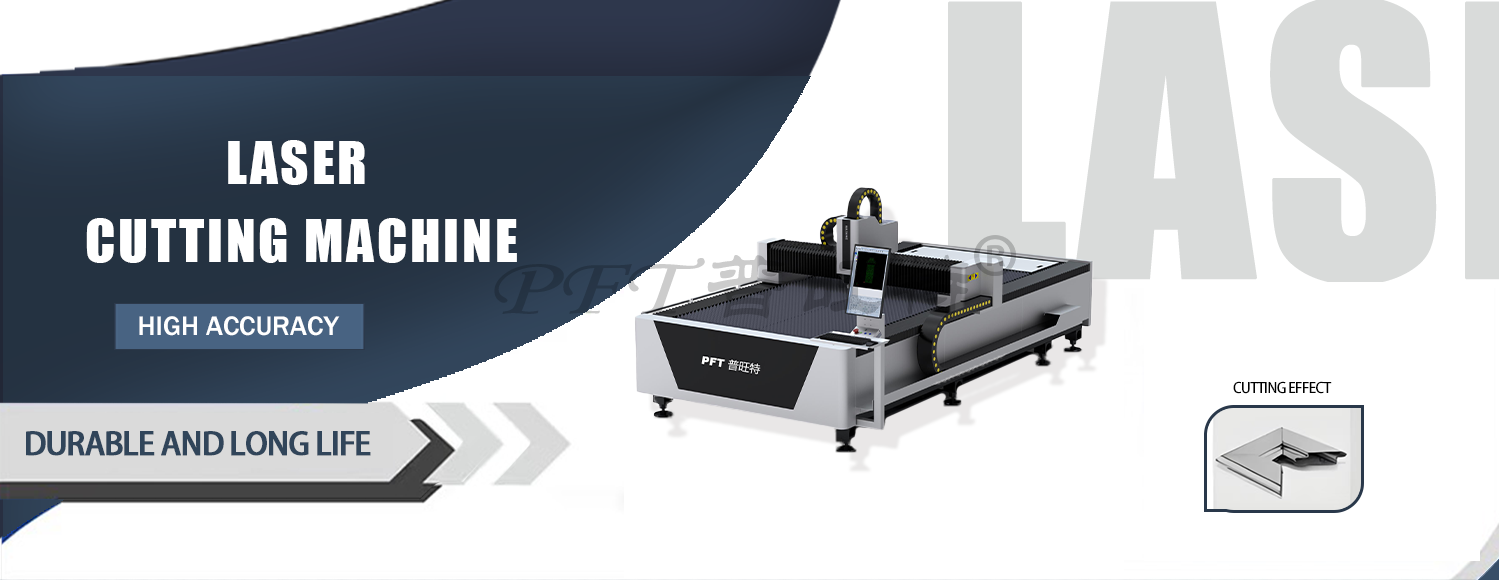
CO2 Laser vs Fiber Laser: Complete Comparison Guide for 2026
Discover the key differences between CO2 and fiber laser cutting technology. Compare costs, performance, maintenance, and ROI to make the right investment decision for your metal fabrication business.
The decision between CO2 and fiber laser cutting technology represents one of the most significant equipment investments for metal fabrication operations. While CO2 lasers dominated industrial cutting for decades, fiber laser technology has rapidly transformed the market since the mid-2000s. Understanding the fundamental differences, cost implications, and application suitability of each technology is essential for making informed purchasing decisions.
This comprehensive comparison analyzes CO2 and fiber laser cutting systems across critical performance metrics, helping manufacturers, fabrication shops, and equipment buyers select the optimal technology for their specific requirements.
Technology Fundamentals: How Each System Works
CO2 Laser Technology
CO2 lasers generate a beam through electrically exciting a gas mixture of carbon dioxide, nitrogen, and helium within a sealed tube. This process produces infrared light at 10.6-micrometer wavelength. The beam travels through a complex path of mirrors and focusing lenses before reaching the workpiece.
Key Components:
- Gas-filled laser tube (typically 1-6 meters long)
- High-voltage power supply and RF excitation system
- Multiple beam-steering mirrors (typically 3-6 mirrors)
- Focusing lens system
- Gas circulation and cooling system
Beam Delivery Challenges: The long wavelength requires mirrors for beam steering, and each reflection loses 2-5% of power. A typical system with four mirrors loses 8-20% of generated power before reaching the workpiece. Additionally, mirrors require precise alignment and regular maintenance.
Fiber Laser Technology
Fiber lasers generate the beam by pumping diode lasers into a fiber optic cable doped with rare earth elements (typically ytterbium). This creates a laser beam at 1.06-micrometer wavelength—exactly one-tenth the wavelength of CO2 lasers. The beam transmits directly through fiber optic cable to the cutting head.
Key Components:
- Diode laser pump modules
- Doped fiber optic cable (active fiber)
- Passive fiber optic delivery cable
- Compact cutting head with focusing lens
- Water cooling system
Beam Delivery Advantages: Fiber optic transmission eliminates beam-steering mirrors, reducing power loss to <5% total. No alignment required, and the beam maintains quality over the cable length. This fundamental advantage translates to superior efficiency and lower maintenance.
Performance Comparison: Cutting Capabilities
Speed Comparison by Material and Thickness
Thin Materials (0.5-3mm)
Fiber Laser Advantage: 2-5× Faster
Thin materials represent fiber laser's strongest performance advantage. For 1mm stainless steel:
- 3000W Fiber Laser: 18-22 m/min
- 3000W CO2 Laser: 4-6 m/min
- Speed Advantage: 3-4× faster
This dramatic difference stems from fiber laser's superior absorption characteristics in thin materials and higher power density.
Medium Thickness (3-12mm)
Fiber Laser Advantage: 30-80% Faster
Fiber lasers maintain significant speed advantages through mid-range thicknesses. For 8mm carbon steel:
- 6000W Fiber Laser: 1.8-2.2 m/min
- 4000W CO2 Laser: 1.0-1.3 m/min
- Speed Advantage: 50-80% faster
Thick Materials (12-25mm)
Performance Gap Narrows: 20-40% Faster
As thickness increases, CO2 lasers' beam characteristics become more favorable, narrowing the performance gap. For 20mm carbon steel:
- 12000W Fiber Laser: 0.8-1.0 m/min
- 6000W CO2 Laser: 0.5-0.7 m/min
- Speed Advantage: 30-40% faster
Very Thick Materials (25mm+)
CO2 Lasers Remain Viable
For extremely thick materials, CO2 lasers (particularly high-power 6-8kW units) can achieve results approaching lower-power fiber lasers at lower capital cost. However, modern ultra-high-power fiber lasers (20-40kW) now dominate even this segment.
Material Versatility
Fiber Lasers Excel at Reflective Metals:
- Copper, brass, aluminum, and other reflective materials absorb fiber laser wavelength (1.06μm) far better than CO2 wavelength (10.6μm)
- Copper cutting: fiber lasers required; CO2 lasers essentially unusable
- Aluminum: fiber lasers 3-5× faster with superior edge quality
CO2 Lasers Advantages:
- Better suited for non-metallic materials (wood, acrylic, fabric, paper)
- Traditional choice for organic materials processing
- Can process materials fiber lasers cannot
Practical Implication: For metal fabrication operations, fiber lasers provide superior versatility. For facilities processing both metals and non-metals, dual-technology investment may be justified.
Edge Quality Comparison
Fiber Laser Advantages:
- Narrower kerf width (0.1-0.3mm vs 0.2-0.5mm for CO2)
- Cleaner edges with less dross on thin materials
- More perpendicular edges on thick materials with proper parameters
- Better detail capability for small features and intricate geometries
CO2 Laser Characteristics:
- Acceptable edge quality but generally inferior to fiber
- May produce more heat-affected zone on thin materials
- Larger kerf width reduces material utilization efficiency
- Adequate for many applications but not for precision work
Cost Analysis: Total Investment and Operating Expenses
Capital Investment Comparison
Initial Purchase Price
CO2 Laser Systems:
- 3000W CO2 system: $80,000-150,000
- 4000W CO2 system: $120,000-180,000
- 6000W CO2 system: $180,000-280,000
Fiber Laser Systems:
- 3000W fiber system: $60,000-100,000
- 6000W fiber system: $90,000-140,000
- 12000W fiber system: $140,000-220,000
Insight: Fiber lasers offer lower per-watt cost and have decreased significantly over the past decade due to technology maturation and manufacturing scale. CO2 prices remain relatively stable but cannot match fiber laser value proposition.
Operating Cost Breakdown
Electrical Consumption
CO2 Lasers:
- Wall-plug efficiency: 8-15%
- 4000W CO2 laser consumes: 35-45 kW from electrical supply
- Requires substantial cooling capacity (additional electricity)
Fiber Lasers:
- Wall-plug efficiency: 30-40%
- 4000W fiber laser consumes: 12-18 kW from electrical supply
- More compact cooling requirements
Annual Electricity Cost Example: For single-shift operation (2000 hours/year) at $0.12/kWh:
- 4000W CO2: $9,600-10,800 annually
- 4000W Fiber: $2,880-4,320 annually
- Savings: $5,280-6,480 per year
Consumables and Maintenance
CO2 Laser Annual Maintenance:
- Laser tube refills/replacements: $8,000-15,000
- Mirror cleaning and replacement: $2,000-4,000
- Lens replacement: $1,500-3,000
- Alignment and calibration: $1,000-2,000
- Total: $12,500-24,000 annually
Fiber Laser Annual Maintenance:
- Protective lens replacement: $800-1,500
- Nozzle consumables: $1,000-2,000
- General maintenance: $500-1,000
- Total: $2,300-4,500 annually
Maintenance Savings: $10,200-19,500 per year
Assist Gas Consumption
Gas consumption depends primarily on cutting parameters rather than laser type, though fiber lasers' higher speeds may slightly increase consumption rates. For nitrogen cutting of stainless steel, expect similar per-meter gas costs between technologies.
Total Cost of Ownership (5-Year Projection)
4000W CO2 Laser:
- Initial investment: $150,000
- Electricity (5 years): $48,000-54,000
- Maintenance (5 years): $62,500-120,000
- Total: $260,500-324,000
6000W Fiber Laser:
- Initial investment: $120,000
- Electricity (5 years): $21,600-32,400
- Maintenance (5 years): $11,500-22,500
- Total: $153,100-174,900
5-Year Savings: $85,600-149,100
This comparison demonstrates fiber laser's compelling economic advantage even before considering productivity benefits from faster cutting speeds.
Maintenance Requirements and Downtime
CO2 Laser Maintenance Demands
Routine Maintenance:
- Daily: Mirror cleaning and inspection
- Weekly: Beam path verification and alignment check
- Monthly: Comprehensive mirror cleaning, lens inspection
- Quarterly: Gas refill/circulation system service
- Annually: Major service including tube inspection, complete alignment
Alignment Sensitivity: CO2 laser beam paths require precise mirror alignment. Vibration, temperature changes, or component wear necessitate realignment—a time-consuming process requiring trained technicians. Misalignment causes power loss and cut quality degradation.
Component Lifespan:
- Laser tube: 10,000-20,000 hours (2-5 years typical)
- Mirrors: 6-12 months with proper maintenance
- Lenses: 3-6 months depending on cutting conditions
Fiber Laser Maintenance Advantages
Simplified Maintenance:
- Daily: Quick nozzle and lens inspection
- Weekly: Cutting head cleaning
- Monthly: Lens replacement as needed
- Annually: Professional service inspection
No Alignment Required: Fiber optic beam delivery eliminates alignment requirements. The sealed laser source requires no routine maintenance. This translates to higher uptime and lower maintenance skill requirements.
Component Lifespan:
- Laser source: 100,000+ hours (10+ years typical)
- Protective lenses: 1-3 months (consumable)
- Nozzles: 40-200 cutting hours (consumable)
Uptime Comparison: Fiber lasers typically achieve 95-98% uptime versus 85-92% for CO2 systems. This 5-10% uptime advantage significantly impacts production capacity and delivery reliability.
Application Suitability by Industry
Ideal Applications for Fiber Lasers
Sheet Metal Fabrication:
- HVAC equipment manufacturing
- Elevator and escalator components
- Metal furniture and fixtures
- Electrical enclosures and control panels
- General job shop work
Automotive Industry:
- Body panels and structural components
- Chassis parts
- Exhaust systems (tube cutting)
- Trim and decorative elements
Electronics Manufacturing:
- Server chassis and racks
- Computer enclosures
- Telecommunications equipment
- Precision small parts
Aerospace Components:
- Aluminum structural elements
- Titanium parts
- Thin-wall precision components
Medical Device Manufacturing:
- Surgical instruments (stainless steel)
- Implantable device components
- Medical equipment housings
Applications Where CO2 Remains Viable
Very Thick Structural Steel: Operations exclusively processing 25-50mm structural steel may find high-power CO2 lasers economically attractive, though this advantage diminishes as ultra-high-power fiber lasers (20-40kW) become more affordable.
Mixed Material Processing: Facilities cutting both metals and non-metals (wood, acrylic, composites) may justify CO2 investment for non-metal capability, though many opt for separate specialized equipment.
Legacy System Replacement Timing: Existing CO2 laser operations should evaluate replacement timing based on maintenance costs, downtime patterns, and production requirements rather than immediately replacing functional equipment.
Technology Trajectory and Future Outlook
Fiber Laser Market Dominance
Industry data confirms fiber laser technology's decisive victory in metalworking applications:
Market Share Evolution:
- 2015: CO2 60% / Fiber 40%
- 2020: CO2 30% / Fiber 70%
- 2025: CO2 15% / Fiber 85%
- 2026 Projection: CO2 <10% / Fiber >90%
New Equipment Sales: Over 90% of new laser cutting systems sold globally in 2025-2026 were fiber laser technology. CO2 sales largely represent replacement parts and legacy system support.
Technology Development Trends
Fiber Laser Advancements:
- Ultra-high power systems (30-60kW) enabling extreme thick-material capability
- AI-integrated parameter optimization (see our article on AI-powered laser cutting)
- Improved beam quality enabling finer detail cutting
- Enhanced reflective metal processing algorithms
- Continued cost reduction through manufacturing scale
CO2 Laser Status:
- Minimal new development investment
- Focus on supporting installed base
- Gradual market exit by major manufacturers
- Replacement parts availability may become challenging 5-10 years out
Investment Recommendation
For New Installations: Fiber laser technology represents the clear choice for metal fabrication applications. Superior performance, lower operating costs, minimal maintenance, and technology trajectory make fiber lasers the logical investment.
For CO2 System Upgrades: Operators of aging CO2 systems should seriously evaluate fiber laser replacement. Calculate payback based on:
- Maintenance cost savings
- Electrical consumption reduction
- Productivity improvements from faster cutting
- Improved uptime and reliability
Most operations find payback periods of 18-36 months, with many achieving sub-2-year returns.
Real-World Case Study: Fabrication Shop Conversion
Background: Mid-sized sheet metal fabrication shop in United States, processing stainless steel and aluminum for food processing equipment industry. Previous equipment: 4000W CO2 laser (12 years old), experiencing increasing maintenance costs and downtime.
Investment Decision: Replaced CO2 system with 6000W fiber laser cutting machine from PFT Laser. Total investment: $135,000 including installation and training.
Results After 18 Months:
Productivity Improvements:
- Cutting speed increase: 2.5-3.5× (material dependent)
- Setup and job changeover time reduced 40%
- Overall throughput increased 180%
- Ability to accept previously declined jobs (thin aluminum, copper components)
Cost Reductions:
- Electrical costs: -$6,200 annually (-68%)
- Maintenance costs: -$14,800 annually (-76%)
- Consumable expenses: -$3,200 annually (-55%)
- Total savings: $24,200 annually
Operational Benefits:
- Unscheduled downtime reduced from 8% to <2%
- Maintenance labor requirements reduced 70%
- Eliminated specialist technician dependency for routine service
- Improved edge quality reduced secondary operations
Financial Outcome:
- Investment payback: 22 months
- 5-year projected savings: $121,000 (operating costs only)
- Revenue increase from capacity expansion: $180,000+ (estimated)
This real-world example demonstrates typical results from CO2-to-fiber conversion, though individual results vary based on application mix and operational patterns.
Selecting the Right Fiber Laser Power Level
Having established fiber laser's superiority for metal fabrication, the next decision involves power level selection. PFT Laser offers comprehensive guidance in our power and size selection guide, with key considerations:
3000W Fiber Lasers: Ideal for general sheet metal fabrication up to 10mm carbon steel, offering excellent economics for smaller operations and entry-level investment.
6000W Fiber Lasers: The most versatile power level, handling 90% of typical fabrication shop requirements. Processes up to 20mm carbon steel economically while maintaining excellent thin-material performance. Explore PFT 6000W systems →
12000W+ Fiber Lasers: Heavy structural fabrication, thick plate processing, and high-volume operations benefit from ultra-high-power capability. Processes 25mm+ materials at production speeds.
Frequently Asked Questions
Q1: Can fiber lasers cut non-metallic materials like CO2 lasers?
Fiber lasers are optimized for metal cutting and generally cannot process non-metals (wood, acrylic, fabric, leather). The 1.06μm wavelength is poorly absorbed by organic materials and many plastics. Operations requiring both metal and non-metal cutting should consider dedicated equipment for each application or specialized hybrid systems.
Q2: Are used CO2 laser systems a good value?
Used CO2 systems appear attractive due to low purchase prices but carry significant risks: 1) High ongoing maintenance costs often exceed savings, 2) Replacement parts becoming scarce as manufacturers exit market, 3) No warranty or support, 4) Obsolete technology with poor resale value. Most industry experts recommend investing in entry-level new fiber laser rather than used CO2 equipment.
Q3: How long will replacement parts remain available for CO2 lasers?
Major manufacturers are gradually phasing out CO2 production, though most committed to supporting installed base for 5-10 years minimum. Critical components (tubes, mirrors) should remain available through that timeframe, but availability may become constrained and expensive. Plan CO2 replacement within 5-year horizon to avoid supply chain challenges.
Q4: Can I retrofit my CO2 laser with fiber laser technology?
Generally no. CO2 and fiber systems are fundamentally different architectures. Retrofit typically costs 70-90% of new fiber system price while leaving obsolete components in place. Better to sell/trade existing CO2 equipment and invest in purpose-built fiber laser system.
Q5: Do fiber lasers require special electrical infrastructure?
Fiber lasers typically require less electrical capacity than comparable CO2 systems due to superior efficiency. Most facilities with adequate CO2 laser infrastructure easily accommodate fiber laser installation. Standard 3-phase power (208-480V depending on region) suffices. Consult specifications for specific requirements.
Q6: What training is required for operators transitioning from CO2 to fiber?
Fiber laser operation is generally simpler than CO2. Primary differences include: 1) Elimination of mirror alignment procedures, 2) Simplified maintenance protocols, 3) Different optimal cutting parameters. Experienced CO2 operators typically become proficient with fiber systems in 2-3 days of training. PFT Laser provides comprehensive training with every system purchase.
Q7: How does fiber laser cutting quality compare to CO2 for thick materials?
For materials >15mm, both technologies can achieve acceptable cut quality with proper parameters. Fiber lasers generally maintain slight edge quality advantage even in thick materials due to narrower kerf and more controlled heat input. The practical difference becomes less significant as thickness increases, with both technologies producing suitable results for most structural applications.
Conclusion: The Clear Path Forward
The comparison between CO2 and fiber laser cutting technology reveals fiber lasers' decisive advantages across virtually all metrics relevant to metal fabrication operations:
Performance: 2-5× faster cutting speeds with superior edge quality
Economics: 40-60% lower operating costs, faster ROI
Maintenance: 75-85% reduction in maintenance requirements
Reliability: 5-10% higher uptime and improved availability
Versatility: Superior capability with reflective metals
Future-Proofing: Actively developed technology with strong trajectory
For new laser cutting system investments in metal fabrication, fiber laser technology represents the logical choice. The technology delivers superior performance, lower costs, and better long-term value.
Choose PFT Laser for Your Fiber Laser Investment
PFT Laser manufactures comprehensive range of fiber laser cutting systems engineered for reliability, performance, and value. Our product line includes:
- Standard power options: 3000W, 6000W, 12000W, 20000W
- Ultra-high power: up to 60000W for extreme applications
- Working areas: from 3000×1500mm to 24000×3200mm
- Specialized configurations: tube cutting, exchange platform, plate-and-tube combination
Every PFT system includes:
- Premium Raycus or Max fiber laser source
- Advanced CNC control with material parameter library
- Comprehensive training program
- 2-year warranty with global support
- Professional installation and commissioning
Contact PFT Laser today to discuss your specific requirements and receive detailed recommendations for optimal system configuration:
Email: sales@pftlasers.com
Phone: +86 18931103075 / +86 15832112210
WeChat: pufeite3075
Request Detailed Quote and ROI Analysis →
Make the investment that will serve your operation for the next decade and beyond. Choose fiber laser technology. Choose PFT Laser.