What is the difference between a laser cutter and a laser welder?
In the rapidly evolving world of manufacturing, laser technology has carved out a realm of possibilities that can elevate production capabilities while innovating traditional processes. As industries increasingly seek efficiency, precision, and versatility in their operations, un
In the rapidly evolving world of manufacturing, laser technology has carved out a realm of possibilities that can elevate production capabilities while innovating traditional processes. As industries increasingly seek efficiency, precision, and versatility in their operations, understanding the differences between laser cutters and laser welders has never been more critical. This comprehensive guide delves into the operational mechanisms, applications, and market hotspots surrounding these two laser systems, helping manufacturers make informed decisions that align with their project needs.
A Primer on Laser Technology
Laser technology operates on a simple yet powerful principle: it focuses light into an intense beam that can cut, weld, or engrave materials with high precision. This precision is what makes lasers advantageous over traditional manufacturing methods. The core difference between laser cutters and laser welders lies in their operational mechanics and intended applications.
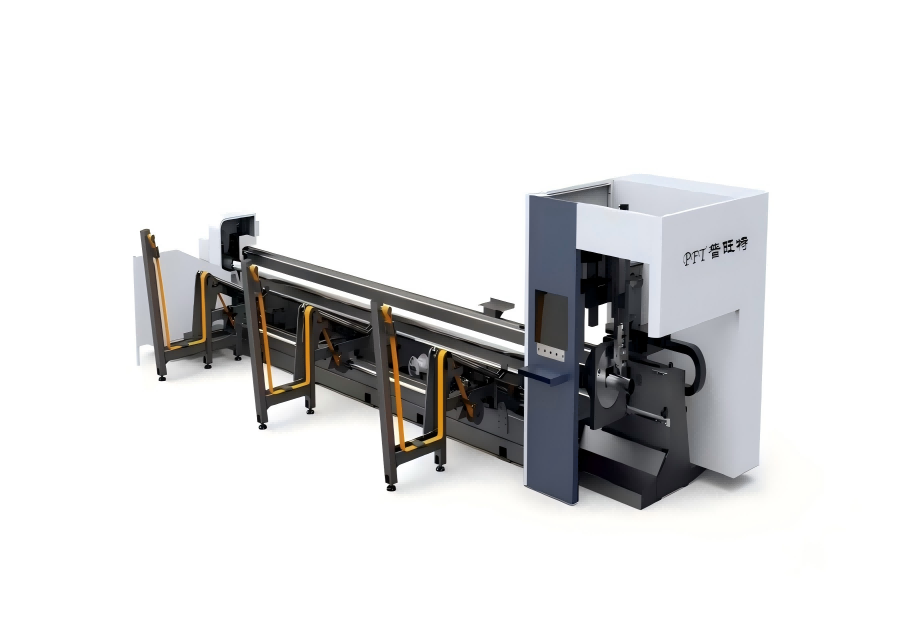
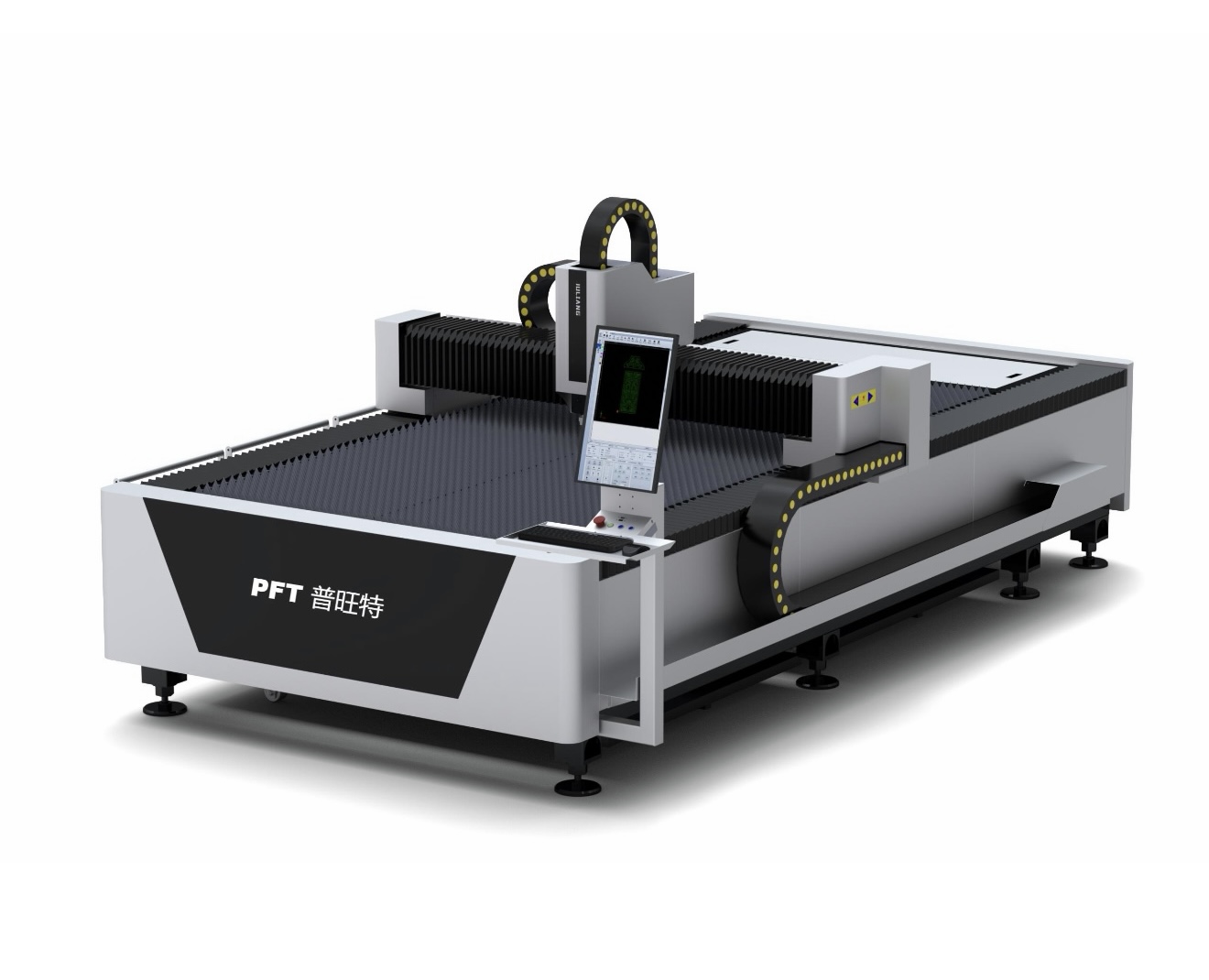
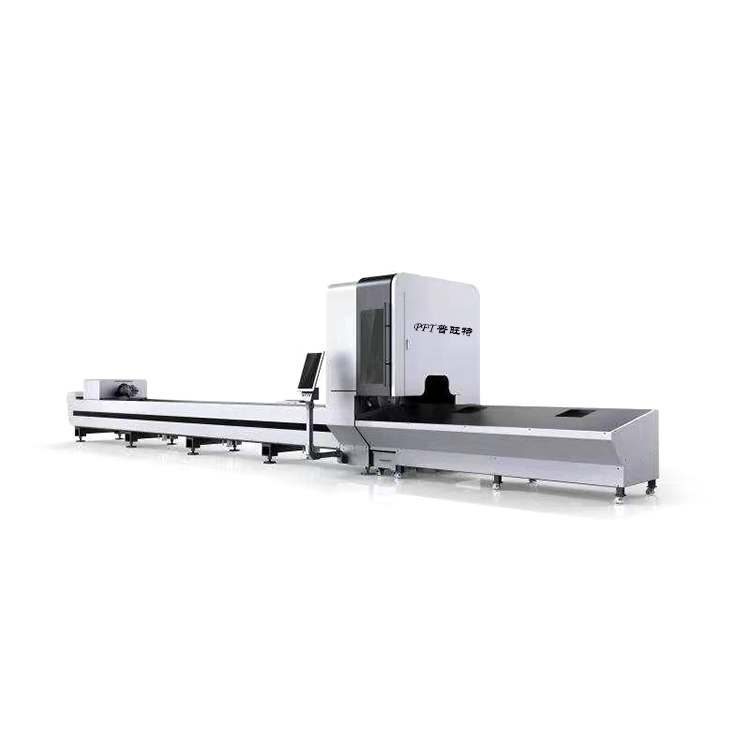
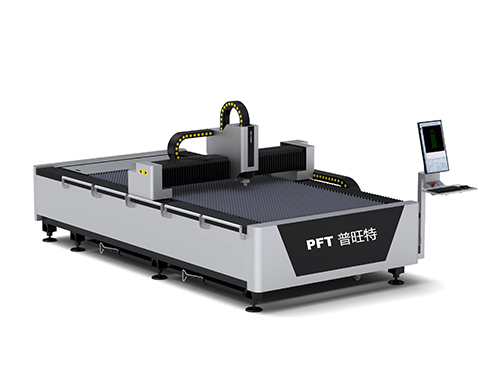
Laser Cutters utilize a concentrated beam of light to vaporize materials, effectively allowing for clean and precise cuts in various substrates, including metals, plastics, and wood. The process involves either a continuous wave laser or pulsed laser beam which primarily vaporizes the material at the cutting point, producing minimal waste and enabling intricate designs.
Laser Welders, on the other hand, are designed to join materials together with a focused beam of light that melts the substrate at the joint, fusing the pieces into a solid bond. This technique is commonly employed in metal fabrication but has expanded into other materials as technology has advanced.
Key Differences Between Laser Cutters and Laser Welders
Functionality:
Laser Cutters: Primarily used for slicing materials into predetermined shapes. They are ideal for tasks requiring high dimensional accuracy and repeatability, such as creating intricate designs or detailed components.
Laser Welders: Focused on joining materials. This technique is critical in fields such as automotive, aerospace, and medical device manufacturing where structural integrity and tight workmanship are paramount.
Materials Used:
Laser Cutters: Capable of cutting through a wide range of materials—metals like steel and aluminum, as well as non-metals including plastics, wood, and glass.
Laser Welders: Generally used for metals, particularly those requiring a strong, reliable bond, such as stainless steel, aluminum, and titanium. Emerging technologies are expanding their capabilities to include certain plastics and ceramics.
Cost and Efficiency:
Laser Cutting: Often more cost-effective for high-volume production runs, resulting in significantly lower costs per unit. The upfront investment in a laser cutter can be offset through increased throughput and lower operational costs.
Laser Welding: The costs can vary based on the complexity of the work, the type of materials being welded, and the equipment used. However, laser welding can also reduce labor costs and improve the quality of welded joints, which may justify a higher initial investment.
Precision and Quality:
Laser Cutters: Offer exceptional precision and minimize kerf (the width of the cut), allowing manufacturers to achieve tight tolerances and high-quality finishes.
Laser Welders: Provide high-quality welds with reduced thermal distortion, essential for maintaining the integrity of complex assemblies.
Technological Advancements:
Both categories have seen significant advances with the advent of fiber laser technology and automation. Fiber lasers have improved efficiency and reduced maintenance costs while also enhancing performance across different materials.
Current Market Hotspots
The demand for laser technology in manufacturing is surging, with several industries marking distinct hotspots for adoption:
Automotive Manufacturing: The automotive sector continues to embrace laser cutters for components ranging from intricate body panels to complicated interior parts. Laser welding is also essential for battery assembly in electric vehicles, where precision and reliability are critical.
Aerospace Industry: This sector relies heavily on the high precision of laser technology, with lasers being used for both cutting and welding of metal components. The lightweight materials used in aerospace design necessitate the use of laser techniques for their ability to handle these materials without creating excessive heat, which can compromise structural integrity.
Medical Device Manufacturing: The medical field has leveraged laser welding for its ability to produce hermetic seals in devices, ensuring sterility. Laser cutting is also invaluable for producing precision components from diverse materials.
Consumer Electronics: As devices become smaller and more complex, laser cutting technology is increasingly utilized in producing circuit boards and microelectronic components. The precision brought by lasers allows manufacturers to meet the growing demand for miniaturization while maintaining quality.
Jewelry and Artisanal Markets: Laser cutters are in high demand in the jewelry industry for their detail and the ability to work with precious metals and other materials. Craft and bespoke artisans are also using laser technology to enhance their creativity and output efficiency.
Evaluating the Best Fit for Your Project
Manufacturers looking to incorporate laser technology into their processes must consider several vital factors to determine whether a laser cutter or a laser welder is the best fit for their projects:
Project Volume and Customization: For high-volume production with minimal customization, laser cutters offer excellent speed and efficiency. However, if the project is focused on creating customized parts or intricate designs, laser cutters remain the top choice.
Material Type: Understand the material requirements of the project. If you are primarily working with metals that require joining, a laser welder is the clear choice. Conversely, cutting projects will benefit from laser cutting technology.
Desired Precision and Finish: If the project requires intricate detailing or clean cuts, laser cutters are the best fit. If it’s focused on providing strong bonds without excessive heat or distortions, laser welders should be considered.
Budget and ROI: Consider the budget for initial equipment investments versus long-term cost savings. Laser technology can involve significant upfront costs, but efficiencies gained in the production process may lead to fast returns.
Conclusion
As the manufacturing landscape continues to evolve, the utilization of laser technology is becoming a strategic necessity. By unlocking the potential of laser cutters and welders, businesses can significantly enhance their manufacturing processes, reduce costs, and maintain high levels of quality.
Manufacturers are encouraged to explore the advantages of each system, considering their specific applications and operational requirements. Whether cutting intricate designs or ensuring the durability of welds, embracing laser technology is undoubtedly a step toward sustained growth and innovation in the competitive manufacturing sector.
For those ready to elevate their manufacturing processes, the world of laser technology awaits exploration—spanning a myriad of applications, profound efficiencies, and the future of advanced production capabilities.