Difference between pulsed laser cleaner and normal laser cleaner
In the ever - evolving landscape of industrial cleaning technologies, laser cleaning has emerged as a highly efficient and environmentally friendly solution. Among the various types of laser cleaning machines, pulse laser cleaning machines and regular (continuous) laser cleaning
In the ever - evolving landscape of industrial cleaning technologies, laser cleaning has emerged as a highly efficient and environmentally friendly solution. Among the various types of laser cleaning machines, pulse laser cleaning machines and regular (continuous) laser cleaning machines stand out as two popular choices. Hebei Pufite Intelligent Equipment Co., Ltd. offers a range of high - quality laser cleaning machines, including both pulse and continuous types. This article will delve deep into the differences between these two types of machines to help you make an informed decision for your specific cleaning needs.
1. Working Principle
Pulse Laser Cleaning Machine
Pulse laser cleaning machines operate on a principle of delivering high - energy laser pulses in short intervals. These pulses are typically in the nanosecond to microsecond range. When the high - energy pulse hits the surface to be cleaned, it causes a rapid increase in temperature of the contaminants or coatings on the surface. This sudden temperature rise leads to the vaporization or ablation of the unwanted materials. The shockwave generated by the pulse also helps in detaching the contaminants from the substrate. For example, in the case of removing rust from a metal surface, the pulse laser can precisely target the rust layer without significantly affecting the underlying metal. The short duration of the pulse minimizes the heat transfer to the substrate, reducing the risk of thermal damage.
Regular (Continuous) Laser Cleaning Machine
Regular laser cleaning machines, on the other hand, emit a continuous laser beam. The laser energy is continuously applied to the surface, gradually heating the contaminants. The heat causes the contaminants to melt, vaporize, or decompose. This continuous heating process is more suitable for materials that can withstand a certain amount of heat without being damaged. For instance, when cleaning large - scale steel structures, the continuous laser can cover a larger area at a relatively faster rate as the steady heat application can effectively remove thick layers of paint or rust.
2. Application Range
Pulse Laser Cleaning Machine
- Delicate and High - Precision Applications: Pulse laser cleaning machines are ideal for industries where precision is of utmost importance. In the electronics industry, they can be used to clean circuit boards, removing tiny particles of flux or contaminants without damaging the sensitive electronic components. In the aerospace industry, they are used to clean aircraft engine parts, such as turbine blades. The ability to precisely control the cleaning process makes them suitable for removing thermal barrier coatings from these high - value components without causing any harm to the underlying material.
- Gentle Cleaning of Sensitive Materials: They are also great for cleaning materials that are sensitive to heat. For example, in the restoration of artworks or historical artifacts, pulse laser cleaning can be used to remove dirt, grime, or old coatings from surfaces like wood, stone, or delicate metals. The low - heat impact ensures that the integrity of the precious items is maintained.
- Small - Scale and Portable Applications: Due to their relatively small size and portability, pulse laser cleaning machines are convenient for on - site cleaning tasks in areas where space is limited or where the cleaning needs to be done in different locations. For example, in the maintenance of small - scale manufacturing equipment or in the field repair of machinery, a portable pulse laser cleaning machine can be easily carried and used.
Regular (Continuous) Laser Cleaning Machine
- Large - Scale Industrial Applications: Regular laser cleaning machines are commonly used in large - scale industrial settings. In the automotive industry, they can be used to clean large metal parts before painting or assembly. For example, cleaning the body panels of cars to remove rust, oil, or other contaminants. In the shipbuilding industry, they are used to clean the hulls of ships, removing barnacles, rust, and old paint coatings over large surface areas.
- Heavy - Duty Cleaning: They are well - suited for heavy - duty cleaning tasks where the material being cleaned can tolerate higher levels of heat. In the steel industry, continuous laser cleaning machines are used to clean steel sheets before further processing, such as rolling or coating. The continuous heat application can quickly remove thick layers of scale or oxide from the steel surface.
3. Cleaning Effect
Pulse Laser Cleaning Machine
- Precise and Thorough Cleaning: Pulse laser cleaning machines offer a high level of precision in cleaning. The short and intense pulses can target specific areas, ensuring that even the most stubborn contaminants are removed. When cleaning a mold surface, the pulse laser can reach into the intricate details of the mold and remove residues without leaving any marks or causing damage to the mold's surface. The cleaning effect is often more uniform, resulting in a clean and smooth surface finish.
- Minimal Substrate Damage: As mentioned earlier, the short pulse duration means that the heat input to the substrate is minimal. This is crucial for materials that are sensitive to heat or for applications where maintaining the integrity of the substrate is essential. For example, when cleaning high - quality stainless - steel surfaces, the pulse laser can remove the oxidation layer without causing any discoloration or deformation of the steel.
Regular (Continuous) Laser Cleaning Machine
- Effective for General Cleaning: Regular laser cleaning machines can effectively clean a wide range of contaminants from various surfaces. However, due to the continuous heat application, there is a higher risk of over - heating the substrate, especially for materials that are heat - sensitive. When cleaning a rough - textured surface, the continuous laser can quickly remove the top - layer contaminants, but it may not be as effective in reaching into small crevices or details as a pulse laser. In some cases, the continuous heat may cause the surface of the substrate to change color or texture slightly.
4. Equipment Size and Portability
Pulse Laser Cleaning Machine
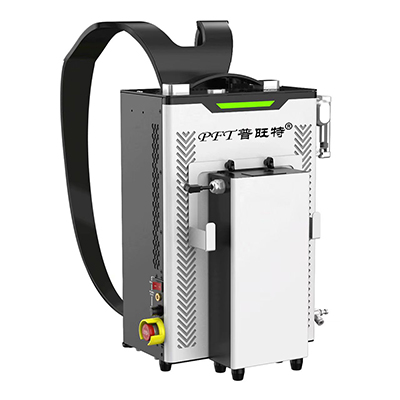
- Compact and Portable Design: Pulse laser cleaning machines are often designed to be compact and lightweight, making them highly portable. This is an advantage in situations where the cleaning needs to be done at different locations or in areas with limited space. A handheld pulse laser cleaning machine can be easily carried by an operator, allowing for on - the - go cleaning of small to medium - sized objects. This portability also makes them suitable for applications in remote areas or in situations where moving large equipment is not practical.
Regular (Continuous) Laser Cleaning Machine
- Larger and More Stationary: Regular laser cleaning machines, especially those with high power output, tend to be larger and more stationary. They require a stable power supply and may need to be installed in a dedicated location. While some continuous laser cleaning machines can be mounted on a movable platform for large - scale industrial applications, they are generally not as portable as pulse laser cleaning machines. For example, a high - power continuous laser cleaning machine used in a large - scale manufacturing plant may be permanently installed in a production line for continuous cleaning of large - sized workpieces.
5. Equipment Cost
Pulse Laser Cleaning Machine
- Higher Initial Investment: Pulse laser cleaning machines usually come with a higher price tag. This is due to the advanced technology and precision components required to generate high - energy pulses. The cost of the laser source, control system, and cooling mechanism in a pulse laser cleaning machine is relatively high. However, considering their long - term benefits, such as lower maintenance costs (due to less wear and tear on components from the short - pulse operation) and the ability to handle high - value and sensitive cleaning tasks, the overall cost - effectiveness can be favorable for certain applications.
Regular (Continuous) Laser Cleaning Machine
- Relatively Lower Cost: Regular laser cleaning machines are generally more cost - effective in terms of the initial purchase price. The continuous laser technology is more straightforward in some aspects, and the components required are often less expensive. For large - scale industrial applications where cost - per - unit - area - cleaned is a major consideration, the lower initial cost of a continuous laser cleaning machine can be an attractive factor. However, it's important to note that continuous laser cleaning machines may require more frequent maintenance due to the continuous operation and higher heat generation, which can increase the long - term operating costs.
6. Operational Requirements
Pulse Laser Cleaning Machine
- Skilled Operator Needed: Operating a pulse laser cleaning machine requires a certain level of skill and training. The operator needs to understand how to adjust the pulse parameters, such as pulse width, frequency, and energy, to achieve the optimal cleaning effect for different materials and contaminants. They also need to be aware of the safety precautions associated with high - energy laser pulses. For example, improper setting of the pulse parameters can lead to either ineffective cleaning or damage to the substrate.
- Precise Power and Cooling Requirements: Pulse laser cleaning machines require a stable and precise power supply to generate the high - energy pulses. Additionally, they need an efficient cooling system to dissipate the heat generated during the operation. Any fluctuations in the power supply or problems with the cooling system can affect the performance of the machine and potentially damage the laser source.
Regular (Continuous) Laser Cleaning Machine
- Simpler Operation in Some Aspects: Operating a regular laser cleaning machine is relatively simpler in terms of parameter adjustment. The operator mainly needs to control the power output and the speed of the laser beam movement. However, they still need to be familiar with basic laser safety procedures. Since the continuous laser operates continuously, the operator also needs to monitor the temperature of the substrate to avoid over - heating.
- Steady Power and Cooling: Similar to pulse laser cleaning machines, regular laser cleaning machines require a steady power supply. The continuous operation also generates heat, so an effective cooling system is necessary to ensure the long - term stability and performance of the machine.
In conclusion, when choosing between a pulse laser cleaning machine and a regular laser cleaning machine, it's essential to consider your specific cleaning requirements, the type of materials you will be cleaning, the scale of your operations, and your budget. PFT Laser (河北普飞特智能有限公司) offers a comprehensive range of both pulse and regular laser cleaning machines, each designed to meet the diverse needs of different industries. Whether you need a high - precision, portable solution for delicate cleaning tasks or a large - scale, cost - effective machine for heavy - duty industrial applications, we have the right laser cleaning machine for you.