Air-Cooled vs Water-Cooled Laser Welding Machines: How to Choose
Compare air-cooled and water-cooled laser welding machines by duty cycle, mobility, maintenance, thickness, and workshop conditions.
Cooling method is part of the laser welding machine specification, not an accessory afterthought. Air-cooled systems reduce water-circuit maintenance and can be easier to move. Water-cooled systems are often selected when the duty cycle is longer or the process needs more sustained output. The right choice depends on workload, environment, and joint requirements.
1. Start with duty cycle and mobility
If operators move between stations, work outdoors, or need a compact setup, an air-cooled handheld machine can simplify installation. If the machine will run longer shifts on a production bench, water cooling may keep the process more stable. Confirm the expected welding time per hour, not only the rated power.
2. Check environment and maintenance
Air cooling avoids chiller water, antifreeze, and scale issues, which matters in cold workshops or mobile service work. Water cooling adds a chiller, hoses, and water quality control. Either system still needs lens protection, torch-head maintenance, and a documented spare-parts list.
3. Do not ignore power, wire feeding, and safety
Cooling does not replace joint validation. Material, thickness, fit-up, wire feeding, wobble settings, and safety enclosure still decide whether 1500W, 2000W, or 3000W is appropriate. A portable air-cooled machine is useful only when the process window and safety setup match the job.
Air-cooled and water-cooled options from PFT
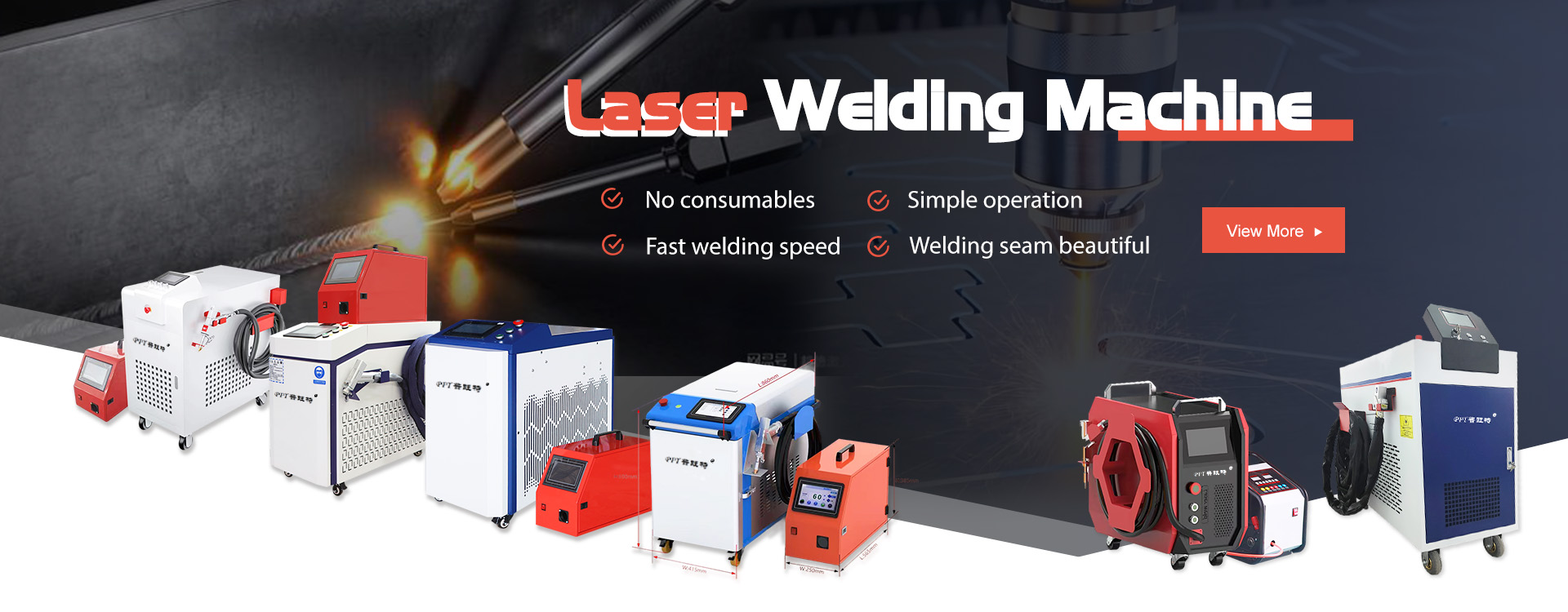
Compare the laser welding machine range, including the PA-1500 air-cooled handheld welder, the PAT-2000 4-in-1 air-cooled model, and water-cooled 1500W 3-in-1 systems. Then request a laser welding machine quotation with your duty-cycle details.
Buyer checklist
- Welding time per hour and shift length
- Indoor, outdoor, or multi-station use
- Ambient temperature and water availability
- Material, thickness, and wire-feeding need
- Safety area, extraction, voltage, and destination
Send the duty cycle and sample joint with the inquiry. The application team can then recommend air cooling or water cooling based on the actual workload rather than a generic preference.