The role of voltage stabilizers
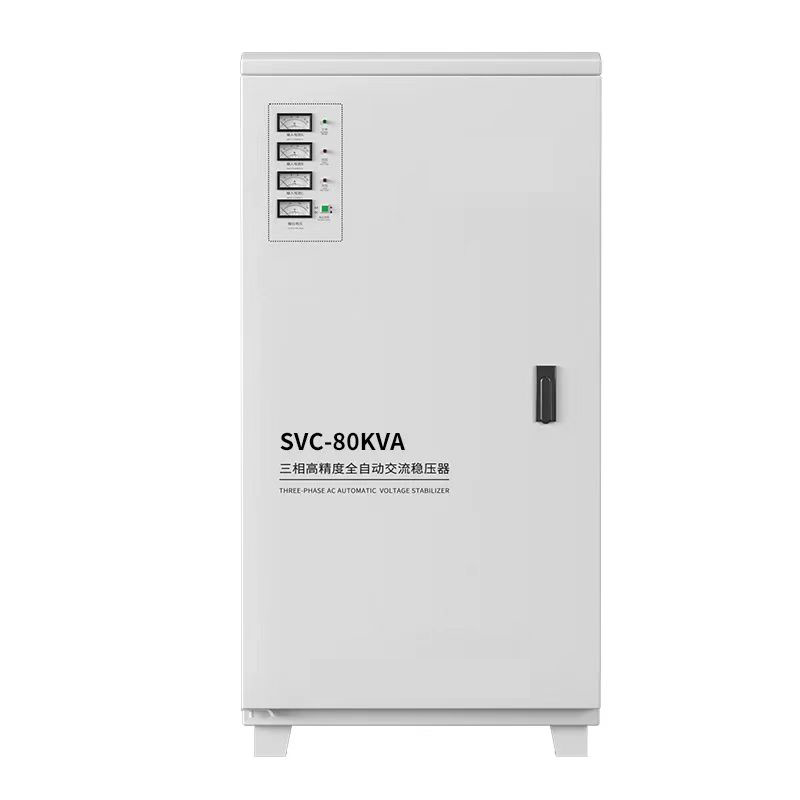
Learn why voltage stabilizers are essential for laser cutting machines — protecting equipment from electrical surges, ensuring stable laser output, and improving cutting efficiency. Includes daily maintenance tips for safe and reliable operation.
In the world of modern manufacturing, laser cutting machines have become indispensable tools. They offer high precision, speed, and efficiency in cutting various materials. However, to ensure the optimal performance and longevity of these machines, one crucial component often overlooked is the voltage stabilizer. At Hebei Pufei Te Intelligent Equipment Co., Ltd., we understand the significance of a stable power supply for laser cutting operations.
The Importance of Voltage Stabilizers for Laser Cutting Machines
1. Ensuring Stable Laser Output Power
Laser cutting machines rely on a consistent and stable power supply to function correctly. Voltage fluctuations, which are common in many electrical grids, can have a significant impact on the laser output power. When the voltage supplied to the laser cutting machine varies, it can cause the laser beam to become unstable. This instability leads to inconsistent cutting results, such as uneven cuts, rough edges, or even incomplete cuts. A voltage stabilizer steps in to regulate the incoming voltage, ensuring that it remains within the optimal range required by the laser cutting machine. By doing so, it guarantees a stable laser output power, resulting in high - quality, precise cuts every time.
2. Protecting the Equipment from Electrical Damage
Electrical grids are prone to surges, spikes, and drops in voltage. These voltage irregularities can be extremely harmful to laser cutting machines. A sudden voltage spike, for example, can cause damage to sensitive electronic components within the machine, such as circuit boards, power supplies, and laser diodes. Over time, repeated exposure to voltage fluctuations can also lead to premature wear and tear of the equipment. A voltage stabilizer acts as a protective shield against such electrical hazards. It is designed to detect any abnormal voltage changes and immediately take corrective action. In the case of a voltage spike, the stabilizer will divert the excess voltage, preventing it from reaching the laser cutting machine. Similarly, during a voltage drop, the stabilizer will boost the voltage to the required level, safeguarding the machine from potential damage. This protection not only extends the lifespan of the laser cutting machine but also reduces the frequency of costly repairs and equipment replacements.
3. Improving the Efficiency of the Laser Cutting Process
A stable power supply provided by a voltage stabilizer directly contributes to the overall efficiency of the laser cutting process. When the machine operates under stable voltage conditions, it can maintain a consistent cutting speed and power. This consistency allows for faster and more efficient cutting of materials. In contrast, if the voltage is unstable, the machine may have to adjust its cutting parameters frequently, resulting in slower cutting speeds and reduced productivity. Additionally, by protecting the equipment from damage, a voltage stabilizer helps to minimize downtime. With less time spent on repairs and maintenance, the laser cutting machine can be operational for longer periods, increasing the overall output of the manufacturing process.
Types of Voltage Stabilizers Suitable for Laser Cutting Machines
1. Linear Voltage Stabilizers
Linear voltage stabilizers are known for their simplicity and high - quality voltage regulation. They work by using a series pass transistor or a linear regulator integrated circuit to control the output voltage. The main advantage of linear voltage stabilizers is that they produce a very clean and stable output voltage with low noise and minimal ripple. This makes them ideal for laser cutting machines, which require a highly stable power supply to ensure precise laser beam control. However, linear voltage stabilizers have a relatively low efficiency, especially when operating at high power levels. They tend to dissipate a significant amount of heat, which may require additional cooling mechanisms.
2. Switching Voltage Stabilizers
Switching voltage stabilizers, on the other hand, offer higher efficiency compared to linear voltage stabilizers. They operate by rapidly switching the input voltage on and off using power transistors. The duty cycle of these switches is adjusted to regulate the output voltage. Switching voltage stabilizers can handle higher power loads and are more compact in size. They are also more energy - efficient, which is beneficial for reducing operating costs. For laser cutting machines, switching voltage stabilizers can provide a stable power supply while consuming less energy. However, they may produce some electromagnetic interference (EMI), which needs to be carefully managed to avoid affecting the performance of the laser cutting machine's sensitive components.
Daily Precautions for Using Voltage Stabilizers with Laser Cutting Machines
1. Regular Inspection of the Voltage Stabilizer
To ensure the proper functioning of the voltage stabilizer, it is essential to conduct regular inspections. Check the physical condition of the stabilizer for any signs of damage, such as cracks in the casing or loose connections. Inspect the cooling vents to make sure they are not blocked by dust or debris, as proper ventilation is crucial for heat dissipation. Additionally, monitor the input and output voltage levels using a multimeter. The input voltage should be within the specified range of the voltage stabilizer, and the output voltage should be stable and match the requirements of the laser cutting machine. If any abnormal voltage readings are detected, it is advisable to consult a professional technician for further inspection and repair.
2. Cleaning and Maintenance
Dust and dirt can accumulate on the voltage stabilizer over time, which can affect its performance. Regularly clean the exterior of the stabilizer using a soft, dry cloth. For the interior, use a compressed air canister to blow away any dust that may have settled on the components. It is also important to check the condition of the fan, if equipped, to ensure it is operating correctly. A malfunctioning fan can cause the stabilizer to overheat, leading to reduced performance or even damage. In addition, periodically check the electrical connections of the voltage stabilizer. Make sure all wires are securely fastened and there are no signs of corrosion or fraying. Loose or damaged connections can cause voltage drops or electrical arcing, which can be dangerous and affect the operation of the laser cutting machine.
3. Avoiding Overloading
Each voltage stabilizer has a specified maximum load capacity. It is crucial not to exceed this limit when using the stabilizer with a laser cutting machine. Overloading the voltage stabilizer can cause it to overheat, trip the circuit breaker, or even damage the internal components. To determine the appropriate size of the voltage stabilizer for your laser cutting machine, consider the machine's power requirements. Check the manufacturer's specifications for the rated power consumption of the laser cutting machine, including any additional accessories or peripherals that are connected to it. Select a voltage stabilizer with a capacity that is slightly higher than the total power requirement to ensure safe and reliable operation.
4. Monitoring for Abnormalities
During the operation of the laser cutting machine, it is important to monitor the voltage stabilizer for any signs of abnormality. Listen for any unusual noises coming from the stabilizer, such as buzzing, humming, or clicking sounds. Unusual noises can indicate a problem with the internal components, such as a malfunctioning transformer or a loose connection. Also, pay attention to the temperature of the voltage stabilizer. If it feels excessively hot to the touch, it may be a sign of overheating. Overheating can be caused by various factors, including overloading, poor ventilation, or a faulty component. If any abnormalities are detected, immediately stop the operation of the laser cutting machine and disconnect the voltage stabilizer from the power source. Then, contact a qualified technician to diagnose and repair the problem.
In conclusion, a voltage stabilizer is an essential component for laser cutting machines. It plays a vital role in ensuring stable operation, protecting the equipment from electrical damage, and improving the efficiency of the cutting process. By choosing the right type of voltage stabilizer and following the daily precautions for its use, you can maximize the performance and lifespan of your laser cutting machine. At Hebei Pufei Te Intelligent Equipment Co., Ltd., we are committed to providing high - quality laser cutting solutions and ensuring that our customers understand the importance of proper equipment maintenance.