
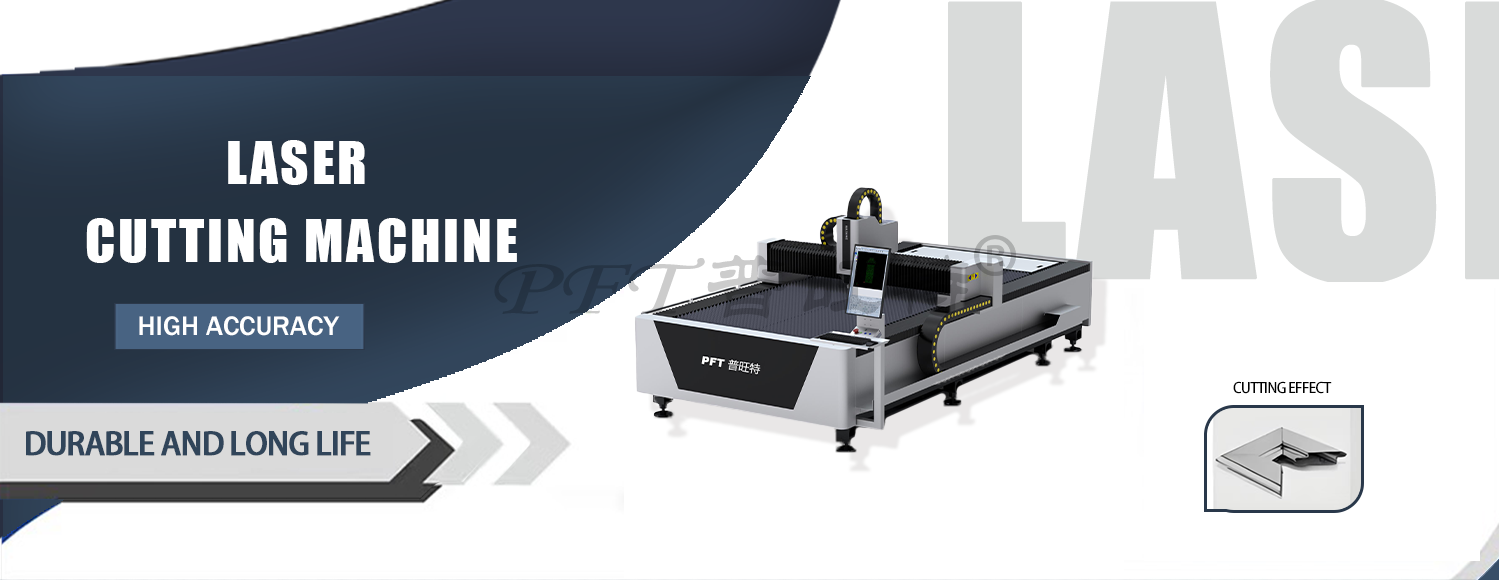
AI-Powered Laser Cutting: How Smart Technology Reduces Waste by 30%
Discover how AI-powered laser cutting machines are revolutionizing manufacturing with intelligent optimization, reduced material waste, and superior cut quality in 2026.
The manufacturing industry is experiencing a revolutionary shift as artificial intelligence integrates with traditional laser cutting technology. In 2026, AI-powered laser cutting machines are no longer a futuristic concept—they're becoming the new standard for manufacturers seeking competitive advantages through reduced waste, improved quality, and enhanced productivity.
What is AI-Powered Laser Cutting?
AI-powered laser cutting combines traditional fiber laser technology with machine learning algorithms that continuously optimize cutting parameters in real-time. Unlike conventional systems that rely on pre-programmed settings, AI-enabled machines analyze material properties, cutting conditions, and environmental factors to adjust power output, cutting speed, focus position, and assist gas pressure automatically.
These intelligent systems learn from each cut, building a database of optimal parameters for different materials, thicknesses, and geometries. The result is consistently superior cut quality with minimal operator intervention.
Key Benefits of AI-Optimized Laser Cutting
1. Material Waste Reduction
One of the most significant advantages of AI-powered laser cutting is dramatic waste reduction. Industry data shows that AI-assisted nesting algorithms can reduce material waste by up to 30% compared to traditional methods. These systems:
- Analyze part geometries and optimize layout patterns automatically
- Minimize kerf width through precise parameter control
- Identify and utilize remnant materials efficiently
- Adjust cutting paths to maximize sheet utilization
For manufacturers processing hundreds of sheets daily, this translates to substantial cost savings. A typical metal fabrication shop cutting 1000kg of material per day could save up to 300kg of waste monthly—equivalent to thousands of dollars in material costs.
2. Improved Cut Quality and Consistency
AI systems monitor cutting quality in real-time using sensors and cameras. When deviations are detected, the system automatically adjusts parameters to maintain optimal results. This continuous optimization delivers:
- Reduced dross and slag formation
- Minimal heat-affected zones
- Consistent edge quality across entire production runs
- Up to 30% fewer secondary deburring operations
Research indicates that AI-optimized fiber laser settings can achieve kerf widths as narrow as 0.05–0.2mm, delivering 1.4× higher material utilization versus plasma cutting while maintaining superior edge finish.
3. Predictive Maintenance and Reduced Downtime
AI systems monitor machine health continuously, analyzing vibration patterns, temperature fluctuations, lens contamination, and power output variations. By predicting component failures before they occur, manufacturers can:
- Schedule maintenance during planned downtime
- Reduce emergency repairs by up to 40%
- Extend consumable lifespan through optimized usage
- Minimize production disruptions
Real-World Applications Across Industries
Automotive Manufacturing
The automotive industry has been an early adopter of AI-powered laser cutting, particularly for electric vehicle (EV) battery enclosures and chassis components. AI systems handle complex multi-material cutting operations, switching parameters seamlessly when processing aluminum, high-strength steel, and composite materials in the same production cycle.
Aerospace Components
Aerospace manufacturers use AI-enabled laser cutting for precision components requiring tight tolerances (±0.05mm or better). The technology excels at processing titanium alloys, Inconel, and other difficult-to-machine materials where traditional methods struggle.
Electronics Manufacturing
Miniature component production for smartphones, tablets, and wearable devices demands micrometer-scale precision. Ultrafast lasers (femtosecond/picosecond) with AI optimization deliver this level of accuracy consistently, even for high-volume production runs.
How AI Optimization Works in Practice
Modern AI-powered laser cutting systems employ several intelligent technologies working in concert:
Computer Vision: High-speed cameras monitor the cutting process, detecting issues like dross formation, incomplete cuts, or thermal distortion in real-time.
Machine Learning Algorithms: Neural networks analyze thousands of cutting parameters and their outcomes, identifying optimal settings for each material and geometry combination.
Adaptive Control: The system adjusts laser power, cutting speed, assist gas pressure, and focus position dynamically—sometimes making hundreds of micro-adjustments per second.
Cloud Connectivity: Many systems upload anonymized cutting data to manufacturer cloud platforms, enabling continuous learning from global machine networks and sharing optimized parameters across facilities.
Choosing an AI-Ready Laser Cutting Machine
When evaluating AI-powered laser cutting equipment, consider these factors:
Power Output Requirements
High-power fiber lasers (12kW-30kW) with AI control excel at processing thick materials (up to 40mm carbon steel) at high speeds. For general fabrication shops, 3000W to 6000W machines offer the best balance of capability and cost-efficiency.
Understanding your material processing requirements is essential—our guide on how to choose the power and size of laser cutting machines provides detailed recommendations.
Software Capabilities
Look for systems offering:
- Intelligent nesting with automatic parameter optimization
- Real-time quality monitoring and adaptive control
- Predictive maintenance algorithms
- Integration with existing ERP/MES systems
- Cloud connectivity for continuous improvement
Manufacturer Support
AI systems require ongoing software updates and algorithm refinements. Choose manufacturers committed to continuous development and providing regular updates that improve system performance over time.
The Investment Case for AI-Powered Laser Cutting
While AI-enabled systems command a premium (typically 15-25% above comparable conventional machines), the return on investment is compelling:
- Material Savings: 20-30% waste reduction
- Labor Efficiency: 40-50% less operator intervention required
- Quality Improvements: 25-35% reduction in rework and scrap
- Maintenance Optimization: 30-40% lower unplanned downtime
For a medium-sized fabrication operation processing $500,000 in materials annually, these improvements can deliver payback in 18-24 months.
Future Trends: What's Next for AI Laser Cutting?
The evolution of AI-powered laser cutting continues rapidly. Emerging developments include:
- Generative Design Integration: AI systems that suggest optimal part geometries for specific manufacturing constraints
- Multi-Material Intelligence: Enhanced capability for processing dissimilar materials in single operations
- Autonomous Operation: Lights-out manufacturing with minimal human supervision
- Sustainability Optimization: Algorithms that balance production efficiency with energy consumption and environmental impact
Frequently Asked Questions
Q1: Can I retrofit AI capabilities to my existing laser cutting machine?
Some manufacturers offer retrofit packages that add AI-powered software and sensors to compatible existing equipment. However, newer machines designed from the ground up for AI integration typically deliver superior results. Consult with your equipment manufacturer to explore retrofit possibilities for your specific model.
Q2: Does AI-powered laser cutting require specialized operators?
Modern AI systems are designed to reduce, not increase, operator skill requirements. The intuitive interfaces and automated parameter optimization make these machines easier to operate than conventional systems. However, operators should still understand basic laser cutting principles and safety procedures.
Q3: How does AI laser cutting compare to traditional CNC programming?
AI systems significantly reduce programming time. Instead of manually creating detailed cutting programs with specific parameters for each material and thickness, operators simply select material type and thickness—the AI handles parameter optimization automatically. This can reduce programming time by 60-80% for complex parts.
Q4: What materials can AI-powered laser cutting machines process?
AI-enhanced fiber laser cutting machines can process virtually all metals including carbon steel, stainless steel, aluminum, copper, brass, titanium, and various alloys. The AI capability is particularly valuable when working with challenging materials or varying material properties where conventional fixed parameters might produce inconsistent results.
Q5: How long does it take for the AI to "learn" optimal settings?
Most modern AI systems come pre-trained with extensive cutting databases, delivering excellent results from day one. The continuous learning process refines these settings over weeks and months as the system encounters your specific materials, environmental conditions, and part geometries. Measurable improvements are typically visible within the first month of operation.
Get Started with AI-Powered Laser Cutting
The integration of artificial intelligence with laser cutting technology represents more than an incremental improvement—it's a fundamental transformation in how manufacturers approach metal fabrication. Companies adopting AI-powered systems today are positioning themselves at the forefront of Industry 4.0 manufacturing, benefiting from reduced costs, improved quality, and enhanced competitiveness.
Ready to explore how AI-powered laser cutting can transform your manufacturing operation? Contact our team for a detailed consultation and discover which system configuration best meets your production requirements. Our experts can provide detailed ROI analysis based on your specific applications and production volumes.