The effect of the appropriate cutting speed of laser cutting machine on the cut quality
In the realm of precision manufacturing, PFT Laser (河北普飞特智能有限公司) stands as a leading provider of high - quality fiber laser cutters, handheld laser welding machines, and laser cleaning machines. When it comes to laser cutting, one crucial factor that signifi
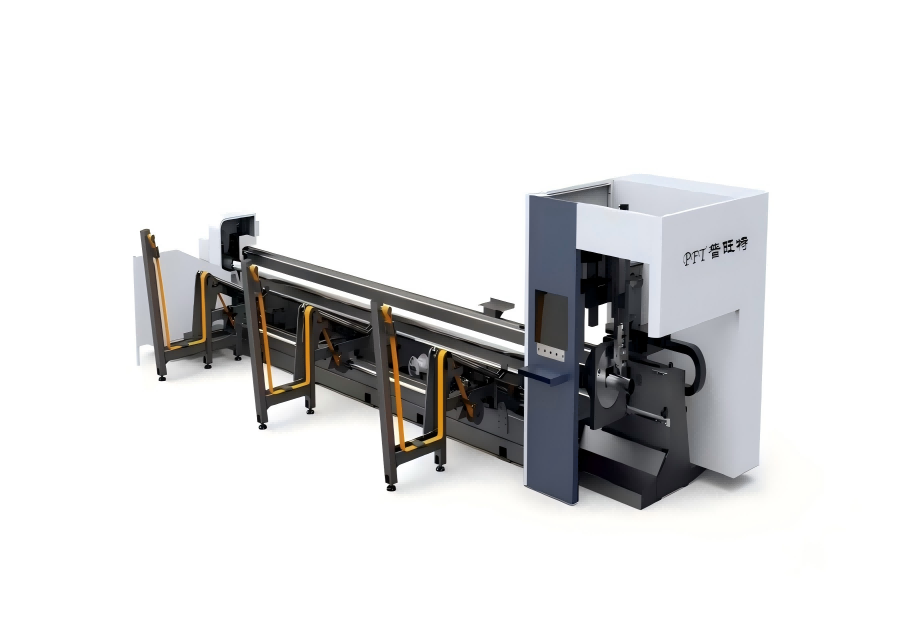
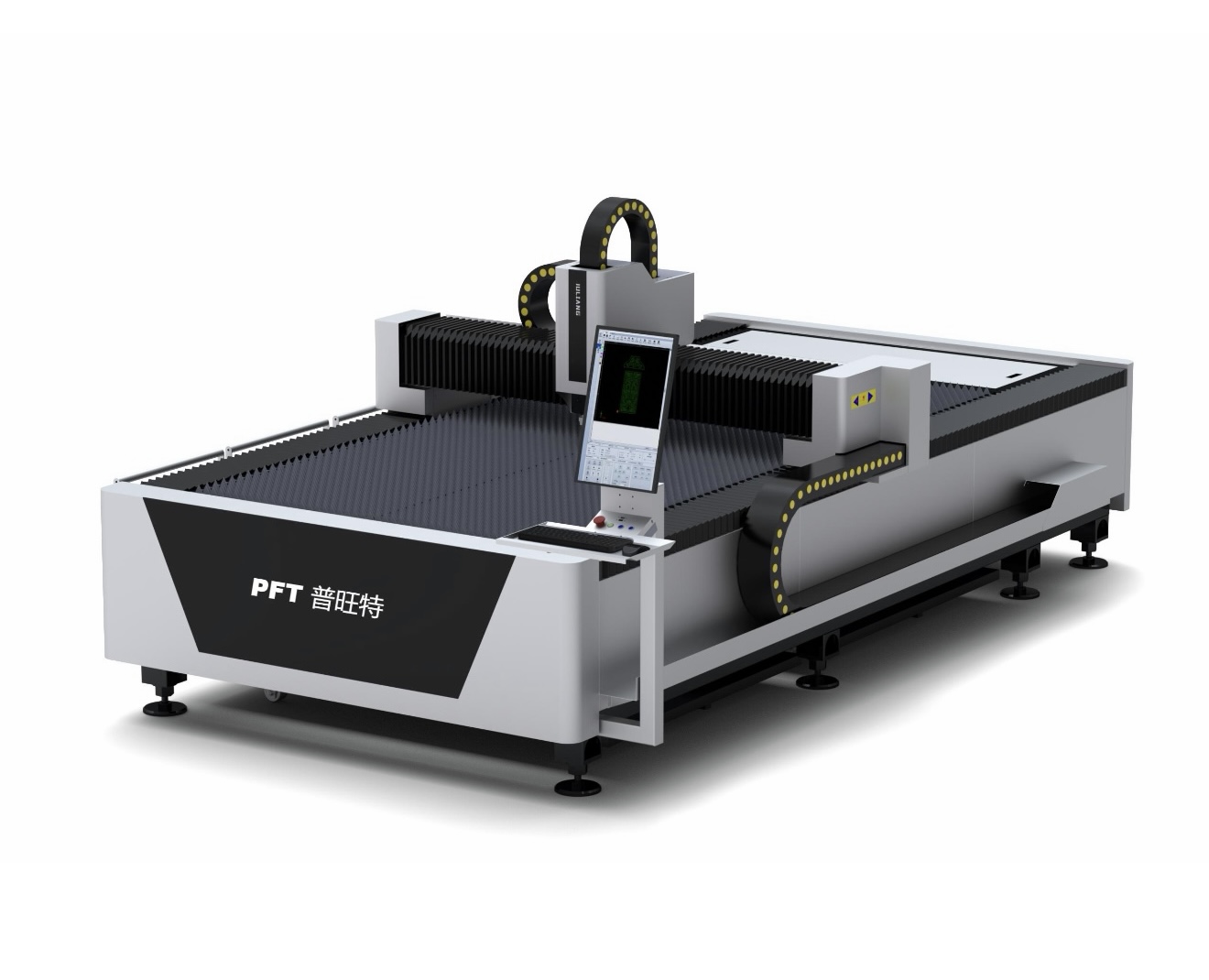
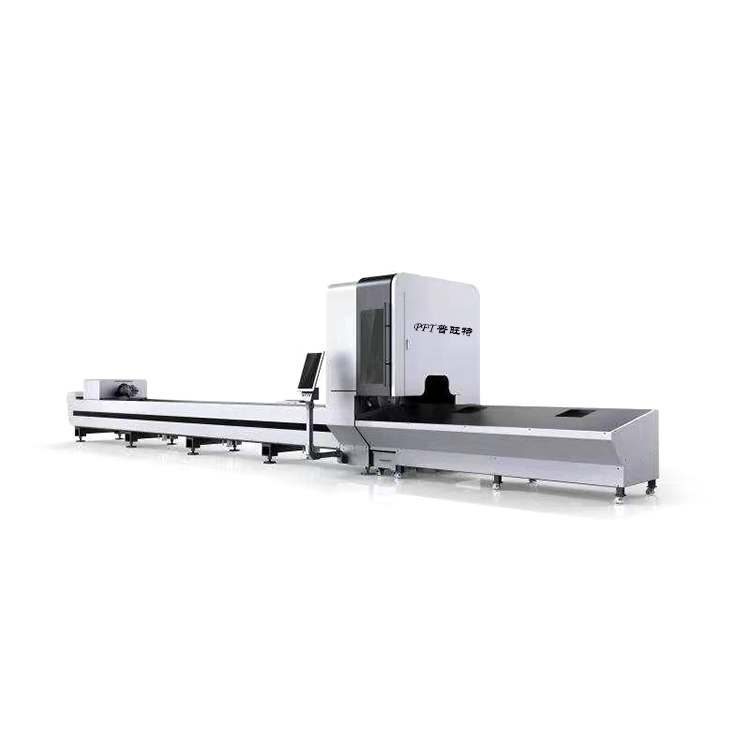
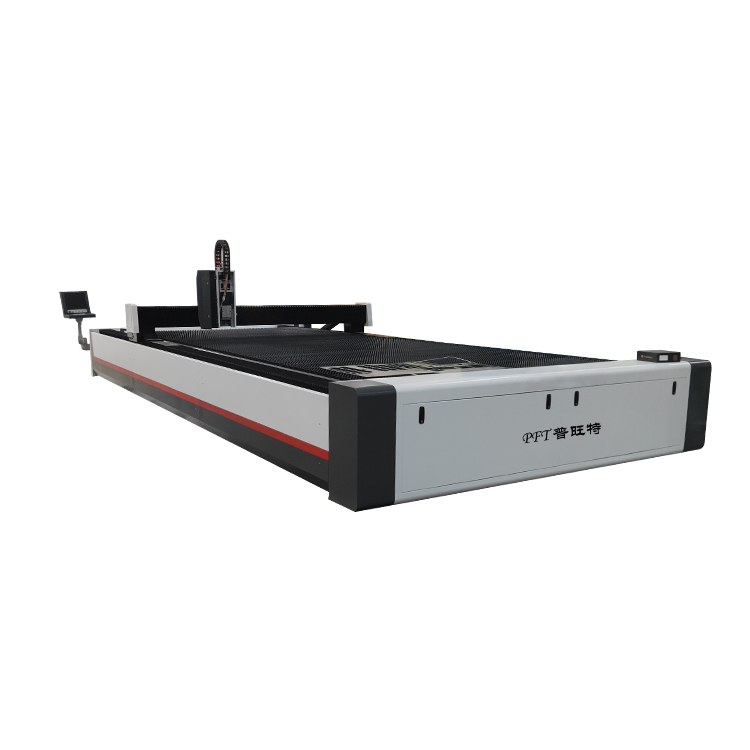
In the realm of precision manufacturing, PFT Laser (河北普飞特智能有限公司) stands as a leading provider of high - quality fiber laser cutters, handheld laser welding machines, and laser cleaning machines. When it comes to laser cutting, one crucial factor that significantly influences the quality of the cut is the cutting speed. Understanding how different cutting speeds affect the cutting surface and how to optimize it is key to achieving the best results.
The Impact of Cutting Speed on the Cutting Surface
Cutting Speed Too Fast
When the cutting speed of a laser cutter is set too high, the laser beam fails to fully melt or vaporize the material. This leads to rough and uneven cutting surfaces. For example, in metal cutting, burrs are likely to form along the edges, and the cut may not be completely through, resulting in a slanted or jagged edge. With our fiber laser cutters at PFT Laser, if the speed is excessive for the material thickness, the laser energy doesn't have enough time to interact effectively with the material, causing incomplete penetration and poor edge quality.
Cutting Speed Too Slow
On the other hand, an overly slow cutting speed causes overheating of the material. Excessive heat leads to excessive melting and charring of the cut edges, creating a wider kerf and a messy, discolored cutting surface. For thin materials like acrylic, it can even cause warping or significant deformation. This not only affects the aesthetic appearance but also the dimensional accuracy of the cut parts.
The Importance of Matching the Cutting Speed
Matching the cutting speed precisely is of utmost importance. A well - matched cutting speed ensures clean, perpendicular cuts with minimal burrs and heat - affected zones. It improves the overall quality and precision of the cut parts, reducing the need for secondary processing and saving both time and costs. Whether you are working on steel, aluminum, wood, or other materials, the right cutting speed guarantees consistent and high - quality results, which is essential for various industries such as automotive, aerospace, and metal fabrication.
Adjusting the Cutting Speed Based on Laser Cutter Configuration
Laser Power
Higher - powered laser cutters, like those offered by PFT Laser, can generally handle faster cutting speeds for the same material thickness. For instance, a 3000W fiber laser cutter can cut thicker steel plates at a quicker pace compared to a 1000W model. However, it's important to note that the relationship isn't always linear. As power increases, you may need to adjust other parameters such as the assist gas pressure and focus position in conjunction with the cutting speed to achieve optimal results.
Material Type and Thickness
Each material has its own optimal cutting speed range. Thicker materials typically require slower speeds to ensure complete penetration, while thinner materials can be cut at higher speeds. For example, thin stainless - steel sheets can be cut relatively quickly, but thick cast iron plates demand a much slower approach. At PFT Laser, we provide detailed operation manuals and technical support to help our customers determine the best cutting speed for different materials and thicknesses when using our fiber laser cutters.
Assist Gas
**
The type and pressure of the assist gas also impact the cutting speed. Oxygen assist gas, for example, can enhance the cutting speed for metals by increasing the oxidation reaction. But the gas pressure needs to be adjusted according to the cutting speed. A higher cutting speed may require a higher gas pressure to effectively blow away the molten material and maintain a clean cut.
In conclusion, by understanding the impact of cutting speed on the cutting surface, recognizing its importance, and learning how to adjust it based on the laser cutter's configuration, users of PFT Laser's fiber laser cutters can achieve superior cutting quality, improve production efficiency, and stay ahead in the competitive manufacturing market.